|
Türkçe için tıklayınız
|
Homepage |
Agenda |
News from Us |
Guest of the Month
Did You Know? |
Portraits from ATU |
My Favorites
|
Did You Know?
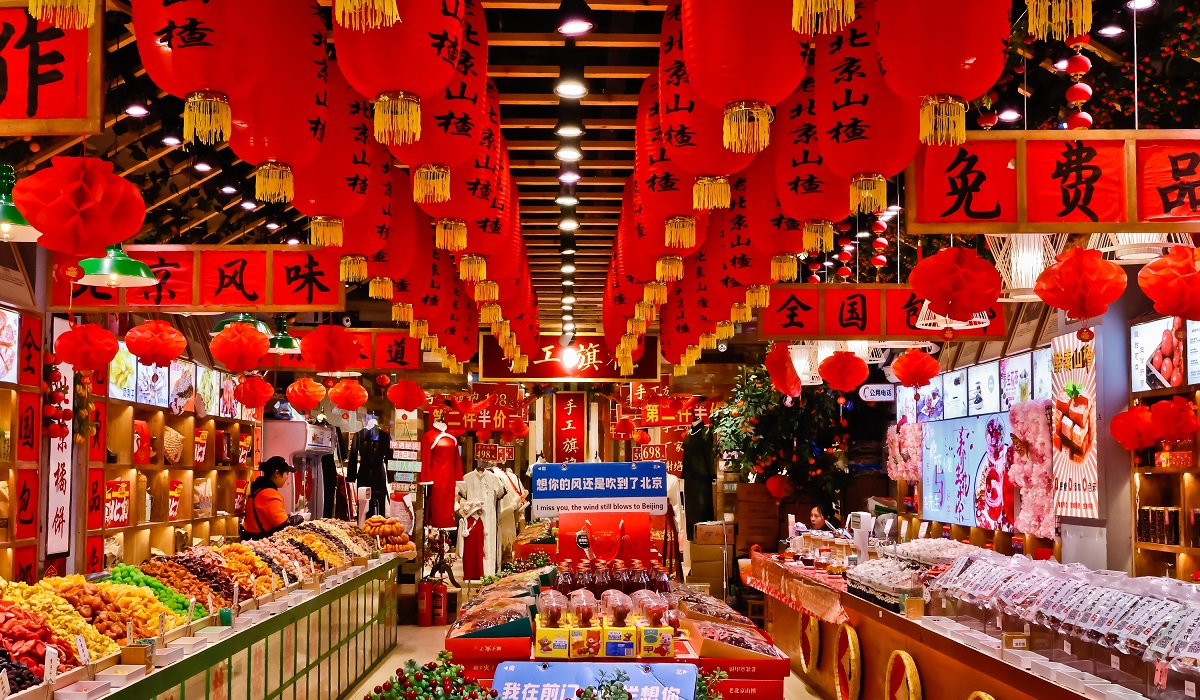
- In Chinese culture, the color red symbolizes luck and prosperity. Chinese tourists, who generally travel in groups, tend to be interested in products with red packaging and often make their purchasing decisions collectively.
- The Japanese view the presentation and packaging of a gift as an art form in itself. Giving a gift with both hands and a slight bow is an important expression of politeness and respect in Japanese culture.
- Middle Eastern tourists, who are often interested in luxury and ostentatious products, prefer the most special pieces in gold, jewelry, watches, and perfumes. They also value connecting with the story of the products.
- Latin Americans often see shopping as a social activity. They are attracted to warm and hospitable behavior in this enjoyable experience they share with family and friends.
- In the shopping culture of Scandinavian countries, simple and functional designs are prominent. Quality, long-lasting, and environmentally friendly products, free from unnecessary embellishments, are generally preferred.
- When shopping, German tourists often want to obtain detailed information about the products. They value an informative approach regarding the product's material, place of production, features, and warranty conditions.
- In the shopping culture of Russians, who value hospitality, the overall atmosphere of the store—from music to lighting, decoration to cleanliness—contributes to viewing shopping as an experience rather than just a purchase.
|
|
|
|
|