|
Türkçe için tıklayınız
|
Homepage |
Agenda |
News from Us |
Guest of the Month
Did You Know? |
Portraits from ATU |
My Favorites
|
Did You Know?
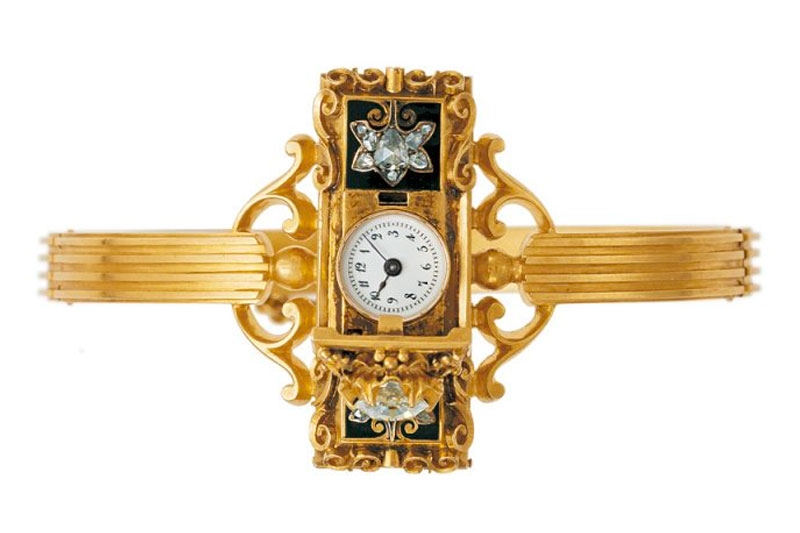
- The First Wristwatch Was for a Queen: The first wristwatch in history was specially made by Abraham-Louis Breguet in 1810 for Napoleon's sister, Queen Caroline Murat of Naples. At that time, watches were usually carried in pockets.
- Diamonds as the “Stone of Love”: Diamonds have been valuable since ancient times, but they became popular as symbols of romantic love and marriage in the 15th century when Archduke Maximilian gave a diamond ring to Mary of Burgundy as an engagement ring. However, it was primarily through marketing campaigns in the 20th century that they became an essential part of engagement rings.
- Wars That Shaped Watches: Wristwatches became widespread during World War I when soldiers began wearing them on their wrists instead of taking out their pocket watches to easily see the time. This practical need quickly led to wristwatches becoming part of modern men's fashion.
- The Origin and Charm of Emeralds: Emeralds have been valued since the time of Cleopatra in Ancient Egypt, where they were considered stones of “rebirth” and “fertility.” It is said that Cleopatra had her own emerald mines and used these stones to showcase her beauty and power.
- Poisonous Fashion in Jewelry: In the 19th century, especially during the Victorian era, arsenic-based pigments were used in fashionable green jewelry and accessories. These toxic substances, used to achieve bright colors, caused serious health problems for those who wore the jewelry and even those who produced it.
- "Breguet Overcoil" and the Secret of Precision: Abraham-Louis Breguet, one of the fathers of modern watchmaking, developed the “Breguet Overcoil” helical spring design in 1795, which gave the watch better balance and precision. This innovation significantly improved timekeeping performance by minimizing the effect of gravity on the watch's operation and is still used in high-quality watches today.
|
|
|
|
|