|
Türkçe için tıklayınız
|
Homepage |
Agenda |
News from Us |
Guest of the Month
Did You Know? |
Portraits from ATU |
My Favorites
|
Did You Know?
-
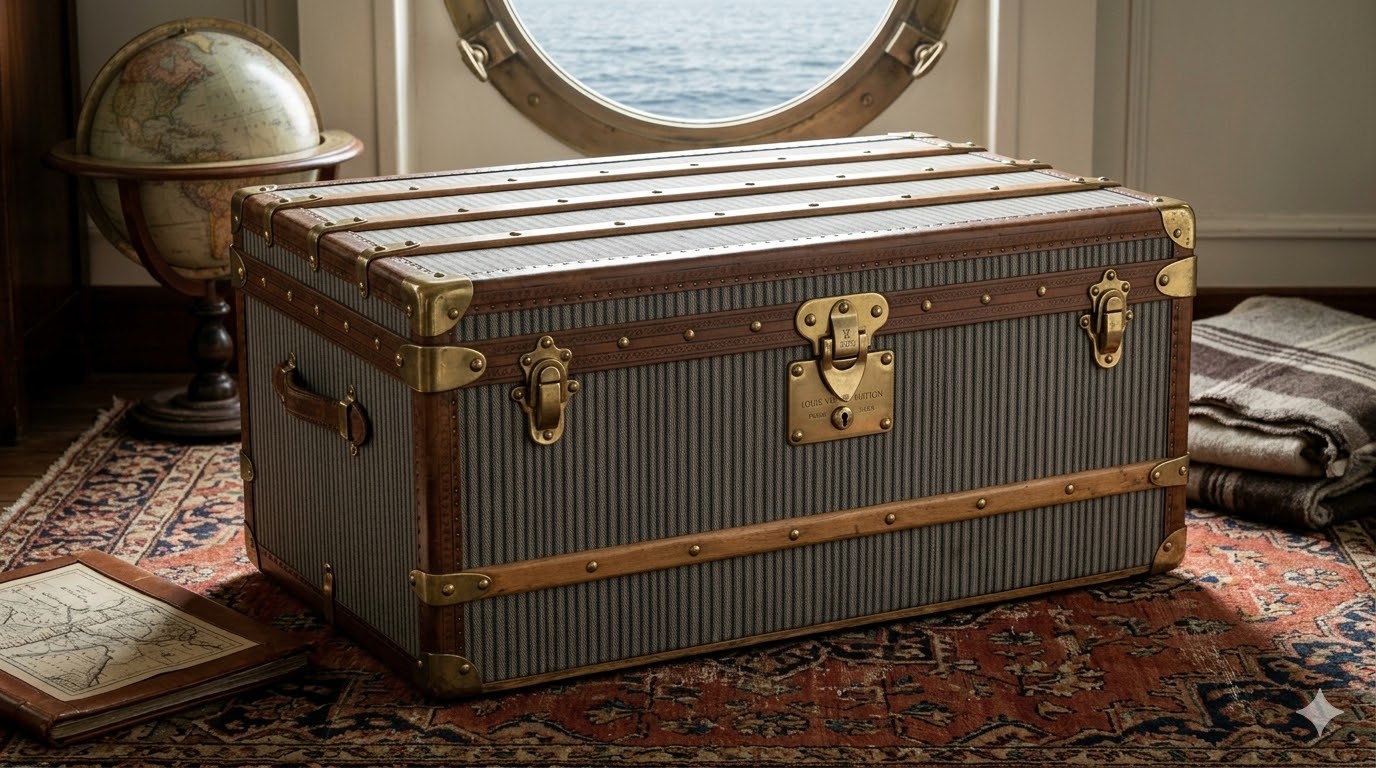
The Travel Revolution and "Flat-Bottomed" Trunks: Until the mid-19th century, the tops of travel trunks were manufactured in a convex (dome) shape so that rainwater could run off. However, this made it impossible to stack the trunks on top of each other. In 1858, Louis Vuitton, a young trunk maker, seized the opportunity of increasing steam train and ship travel and invented the first flat-bottomed canvas trunks that were lightweight, waterproof, and stackable. This simple innovation changed the entire fate of luxury travel luggage.
-
The Secret of Sunglasses in the Courtroom: Sunglasses were not originally invented for protection from the sun. In 12th century China, the first glasses, made of smoke-darkened quartz glass, were used by court judges to hide their facial expressions and emotions during interrogations.
-
The Trench Coat's Legacy from the Trenches: The trench coat, one of the world's most iconic pieces of outerwear, takes its name from the English word "trench". It was designed by Thomas Burberry as a light and waterproof alternative to heavy wool coats during World War I to protect British officers from the rain but also to provide mobility on the battlefield.
-
From the Pocket Revolution to Luxury Bags: Until the late 18th century, women carried their belongings in large pockets sewn inside their dresses or in pouches they tied around their waists. However, after the French Revolution, as dresses became tighter and thin fabrics that revealed body lines became fashionable, pockets moved outside the clothes and transformed into today's modern handbags (reticule).
-
The "Polo" Rebellion That Changed Classic Wear: Polo collar t-shirts, which are indispensable for luxury sportswear and "smart casual" style today, were actually born as a rebellion against strict rules. In the 1920s, tennis players had to enter the court wearing long-sleeved, starched stiff shirts and ties. French tennis player René Lacoste rebelled against this uncomfortable attire and designed the first short-sleeved t-shirt made of breathable cotton pique fabric for his own use, thereby rewriting the rules of modern sports fashion.
|
|
|
|
|